
Best Bathroom Renovation & Toilet Flooring, Shower Floor Tiles Safety Options. For BTO, HDB Residential. Commercial & Industrial Singapore.
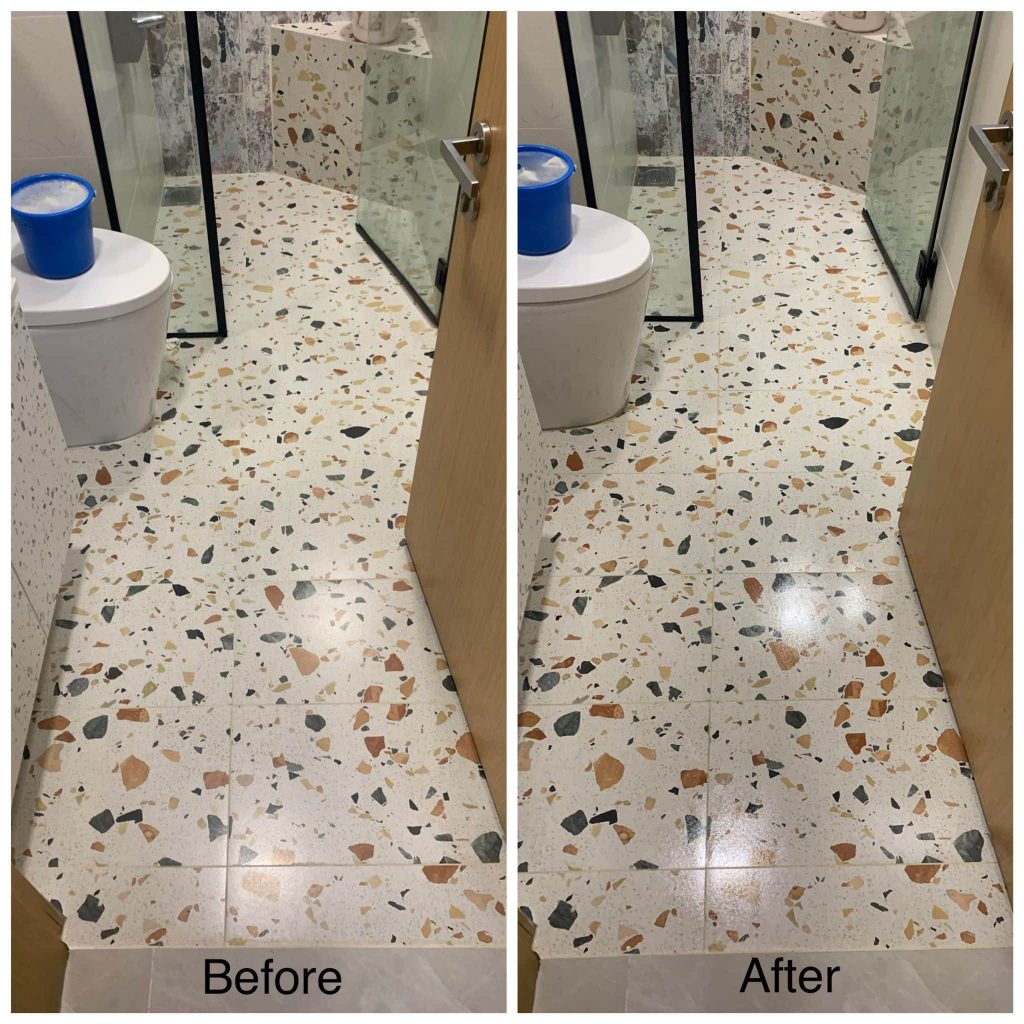
Bathroom & Toilet Renovation.
For an anti-slip bathroom renovation, safety flooring is a top priority. Here are some ideas, steps and materials you can consider. To create a slip-resistant bathroom flooring.
1. Choose Slip-Resistant Flooring.
2. Check the Coefficient of Friction (COF).
3. Anti-Slip Treatments.
4. Non-Slip Rugs and Mats.
5. Floor Drainage, Ponding and Waterproofing.
6. Handrails and Grab Bars.
7. Lighting.
8. Regular Maintenance and Cleaning.
9. Consult a Professional.
Best Toilet & Bathroom Renovation For Floor Safety Options.
A slippery bathroom floor can increase the risk of slips and falls, especially when the surface is wet, soapy or exposed to standing water. Choosing the right flooring materials, improving drainage and applying an effective anti-slip floor treatment can make your bathroom safer.
If you are planning a bathroom renovation or toilet renovation in Singapore, consider these nine practical ways to improve bathroom floor safety.
9 Ways to Prevent Slippery Bathroom Floors in Singapore.
1. Choose Slip-Resistant Flooring Materials.
Start with flooring materials that provide good slip resistance. Textured or matte-finish porcelain and ceramic tiles are popular choices for bathrooms. Natural stone, such as granite or marble with a suitable honed finish, may also provide better traction than highly polished surfaces.
Other options include epoxy flooring, vinyl flooring and overlay floor tiles designed for wet areas. When choosing flooring, consider durability as well as slip resistance. Poor-quality materials or coatings that peel, crack or deteriorate can lead to additional repair and replacement costs.
2. Check the Coefficient of Friction (COF).
The Coefficient of Friction (COF) is an important consideration when selecting flooring for wet areas. Generally, a higher COF indicates greater resistance to slipping under the tested conditions.
When purchasing bathroom tiles, ask about the product’s slip-resistance performance and whether it is suitable for wet areas. Some flooring products are also classified using R-ratings such as R9 to R13. However, the appropriate rating depends on the intended application and testing standard.
Choose a flooring surface that provides a good balance between slip resistance, durability, comfort and ease of cleaning.
3. Apply an Anti-Slip Floor Treatment.
If your existing bathroom tiles are already installed but feel slippery when wet, an anti-slip floor treatment can be an alternative to completely replacing the flooring.
A suitable anti-slip coating or surface treatment can improve traction on wet and soapy surfaces. This can be particularly useful during bathroom renovation in Singapore, where homeowners may want to improve safety while retaining their existing tiles.
4. Use Non-Slip Mats and Rugs.
Place non-slip bathroom mats or rugs near showers, bathtubs, sinks and other areas where water commonly accumulates.
These mats can provide additional traction when stepping out of a shower or bath. Choose mats with a secure, non-slip backing and keep them clean and dry. Drying your feet before walking across the bathroom can also help reduce the risk of slipping.
More Bathroom Floor Renovation Safery Options.
5. Improve Floor Drainage, Prevent Ponding and Waterproof Properly.
Effective bathroom drainage and waterproofing are essential for maintaining a safer floor.
Poor drainage can cause water to accumulate or form puddles, creating additional slip hazards. During toilet or bathroom renovation, ensure that the floor has appropriate drainage and falls toward the floor drain.
Waterproofing should also be properly planned and installed to help prevent water leakage and long-term flooring problems. Select materials that are appropriate for wet environments and easy to maintain.
6. Install Handrails and Grab Bars.
For additional stability, consider installing handrails and grab bars near the shower, bathtub and toilet.
These features can provide useful support when standing, sitting or moving between wet areas. They are particularly valuable in bathrooms designed with accessibility and long-term safety in mind.
7. Improve Bathroom Lighting.
Good lighting is an important part of bathroom safety. A well-lit bathroom makes it easier to identify water, spills, obstacles and changes in floor levels.
During renovation, consider appropriate lighting placement and convenient switches. User-friendly electrical switches and smart lighting controls may also improve convenience, particularly for households planning for long-term accessibility and aging in place.
8. Maintain the Bathroom Floor Regularly.
Even the best non-slip bathroom flooring can become hazardous when covered with soap residue, body oils, shampoo, shower foam or other contaminants.
Clean the floor regularly and remove spills and standing water promptly. Pay particular attention to areas around the shower and bathtub where soap and cleaning-product residue can accumulate.
Regular cleaning and maintenance can help preserve the floor’s appearance and slip-resistant performance.
9. Consult an Anti-Slip Flooring Professional.
If you are unsure which anti-slip flooring material, coating or treatment is suitable, consult a professional contractor experienced in bathroom renovation and anti-slip flooring.
A professional can assess your existing floor surface, drainage, moisture exposure and intended use before recommending a suitable solution.
Make Your Bathroom Renovation Safer With the Right Anti-Slip Solution.
Slippery bathroom tiles can become a serious safety concern, especially when the floor is wet or covered with soap and water. For a safer bathroom renovation in Singapore, an effective non-slip floor treatment can help improve surface grip without replacing your existing tiles.
By incorporating the right materials and application process, you can transform slippery bathroom flooring into a more slip-resistant surface. This is especially useful for toilets, bathrooms, kitchens and other areas exposed to moisture.
YHH Plus Enterprise specializes in clear nano anti-slip floor paint for tiles, designed to enhance the grip of various flooring surfaces while maintaining the existing appearance of the floor. This makes our anti-slip solution an ideal option for bathroom renovation and toilet renovation in Singapore.
Our clear anti-slip treatment is designed for durability and provides fast, noticeable results. By increasing surface traction, it can help reduce the risk of slips and falls on wet, soapy surfaces while preserving the look of your existing tiles.
Beyond ceramic and bathroom tiles, different clear anti-slip agents and non-slip flooring solutions are available for a range of synthetic and industrial materials, including vinyl, laminate, metal, steel, fiberglass, acrylic and epoxy flooring.
If you are looking for a practical way to solve slippery tiles, improve bathroom safety and enhance your toilet renovation, an anti-slip floor treatment can be a cost-effective alternative to replacing the entire floor.
Take action before a slip-and-fall accident happens. Improve the safety of your bathroom flooring and enjoy greater peace of mind for yourself, your family and your loved ones with a professional anti-slip floor solution from YHH Plus Enterprise.

Check out for more pictures and videos. Non-slip shower. bathroom floor. toilet flooring testimonials and 5 stars reviews.
YHH Best Blogs.
How To Prevent Slippery Floor.
Tips To Maintain a Cleaner Tiles.
Importance Of Slip, Fall and Trips Hazards.
How To Choose Slip Resistance Tiles Flooring.
What is Nano Anti-Slip Floor Treatment?
Why Anti Slip Coating is A Must For Bathrooms At Home?
Anti Slip Flooring Ideas For Dogs. Pet-Friendly Non Slip Products.
3 Home Hazards You May Face and How to Address Them.
4 Tips on How to Clean Non-Slip Floor At Home.
Understanding The Value Of Anti-Slip Treatment For Wet floors At Home.
Types Of Anti-Slip Flooring For Indoor & Outdoor Areas.
Anti Slip Flooring Ideas For Bathroom, Shower Tray & Bathtub.
Non Slip Bathroom Flooring Elderly, Seniors, Disabled For Safety.
Anti-Slip Bathroom Flooring Singapore: FAQs
1. How can I make slippery bathroom tiles safer?
YHH clear nano non-slip floor treatment can be applied to existing bathroom tiles to improve surface grip, particularly on wet and soapy surfaces. It is a practical option for homeowners looking to improve bathroom safety without replacing their existing flooring.
2. Is anti-slip floor treatment suitable for bathroom renovation in Singapore?
Yes. YHH Anti-slip treatment are suitable for many bathroom and toilet renovation projects. Our clear treatment can help enhance traction while maintaining the appearance of existing tiles, making it a convenient solution for slippery bathroom floors.
3. What types of flooring can be treated with anti-slip solutions?
Depending on the specific formulation, non-slip solutions like spray, paint and anti-slip coating can be designed for various surfaces, including ceramic and porcelain tiles, vinyl, laminate, metal, steel, fiberglass, acrylic and epoxy flooring. The appropriate treatment should be selected based on the flooring material and its condition.
Contact YHH PLUS ENTERPRISE for Anti-Slip Floor Solutions.
Looking for a reliable anti-slip floor treatment in Singapore? Contact us to find out how our clear nano anti-slip solution can help improve grip on slippery bathroom tiles and other flooring surfaces.
Whether you are planning a bathroom renovation, toilet renovation, or anti-slip flooring project, our team can recommend a suitable solution based on your existing floor surface.
Take the first step towards safer, more slip-resistant flooring for your home or business.
YHH — One-Stop Safety Floor Solutions for Safer Spaces in Singapore.
Address: 58 Ripley Crescent Singapore 556234
Email: sales@antislipsolution.sg
 Hi, click Whatsapp us below, we will respond asap
Recent Comments